FedEx Pilots’ Union Advances Tentative Contract for Rank-and-File Ratification, Signaling Potential End to Five-Year Labor Dispute

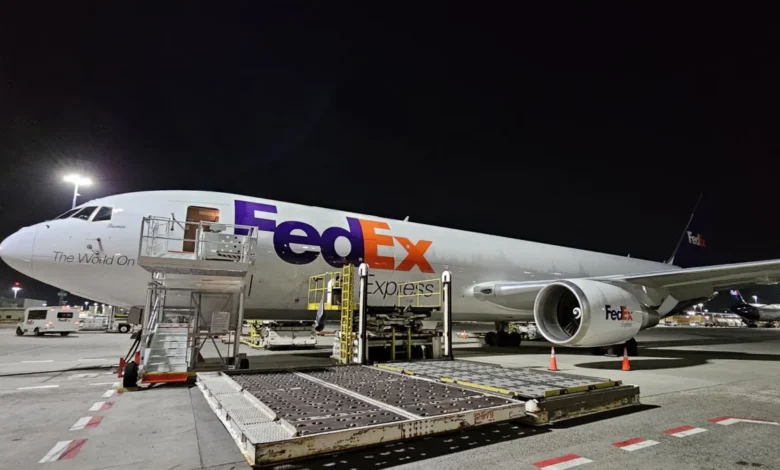
The board of the FedEx pilots’ union, the Air Line Pilots Association (ALPA) Master Executive Council (MEC), on Thursday formally endorsed a tentative contract agreement, clearing the path for a crucial rank-and-file ratification vote. This decision, widely anticipated, moves the company and its approximately 5,000 pilots closer to resolving a protracted labor dispute that has spanned half a decade and seen a previous agreement rejected. The proposed five-year contract, which promises substantial pay increases and other benefits, represents a significant development for both the global logistics giant and its crucial air cargo workforce.
The Proposed Agreement: Key Provisions and Pilot Benefits
The tentative agreement, forged after extensive negotiations and mediation, outlines a comprehensive package designed to enhance pilot compensation and improve working conditions. Central to the deal is an immediate 40% increase in hourly pay for FedEx pilots. This substantial raise is complemented by significant back pay, a critical component addressing the delayed compensation increases during the five years of negotiations. Captains stand to receive up to $150,000 in back pay, while first officers could receive up to $102,500. Beyond these immediate financial gains, the contract stipulates a 3% annual raise commencing in 2028, ensuring ongoing salary growth throughout the agreement’s term.
The scope of the contract extends far beyond monetary compensation, encompassing a wide array of terms vital to a pilot’s professional and personal life. According to details shared on the union’s website, the agreement covers critical areas such as vacation accrual and scheduling, hours of service rules designed to enhance work-life balance and mitigate fatigue, and improved scheduling flexibility. Furthermore, it addresses medical standards, outlining procedures and support systems for pilots, and includes provisions for passenger airline travel benefits, a common perk in the aviation industry. The agreement also touches upon departure bases, a factor influencing pilots’ commuting and living arrangements, all contributing to a more comprehensive and attractive employment package.
These provisions are not merely incremental adjustments; they represent a significant recalibration of the pilots’ terms of employment, reflecting their market value and the demanding nature of their profession. The substantial pay hike and back pay component are indicative of the pilots’ leverage in a tight labor market and the company’s imperative to secure operational stability.
A Long and Arduous Road to Agreement: Chronology of Negotiations
The journey to this tentative agreement has been notably challenging and protracted, stretching over five years of difficult talks. The previous collective bargaining agreement for FedEx pilots expired in late 2017 or early 2018, initiating a new round of negotiations. What followed was a complex and often contentious process, characterized by numerous rounds of discussions, periods of impasse, and the eventual involvement of federal mediators.
The National Mediation Board (NMB), a federal agency responsible for labor-management relations in the U.S. railroad and airline industries, played a crucial role in facilitating discussions when direct negotiations faltered. Their intervention underscored the depth of the disagreements and the necessity for an impartial third party to help bridge the divide between the company and the union.
A pivotal moment in this timeline occurred in 2023 when a previous tentative agreement, reached after considerable effort, was put to a vote by the rank-and-file pilots and subsequently rejected. This rejection sent a clear message from the pilots that the proposed terms, at that time, did not adequately meet their expectations or reflect their contributions to FedEx’s success. The reasons for the 2023 rejection were multi-faceted but largely revolved around concerns that the proposed pay raises and benefits did not align with industry standards set by other major airlines or fully acknowledge the sacrifices pilots had made, particularly during periods of high demand for air cargo. This forced both parties back to the negotiating table, intensifying the pressure to craft a deal that would genuinely resonate with the pilot group. The current agreement, therefore, can be seen as a direct response to the concerns that led to the previous rejection, incorporating more favorable terms to ensure broader acceptance.
Industry Landscape and Pilot Power
The protracted negotiations at FedEx did not occur in a vacuum. They unfolded against a backdrop of significant shifts within the broader airline industry, particularly concerning pilot labor. In recent years, the industry has experienced a persistent pilot shortage, exacerbated by an aging workforce, mandatory retirement ages, and a slower pipeline of new recruits compared to demand. This shortage has significantly empowered pilot unions, leading to substantial gains in compensation and benefits across major passenger and cargo carriers.
For instance, pilots at airlines like American, United, and Delta have secured landmark contracts in the post-pandemic era, featuring double-digit percentage pay increases, improved work rules, and enhanced quality-of-life provisions. These agreements have set new benchmarks, creating a ripple effect where pilots at other carriers, including cargo operators like FedEx, naturally sought parity or improvements that reflected the current market value of their skills. FedEx pilots, operating the backbone of a global express delivery network, provide a highly specialized service that is critical to the company’s core business model. Their ability to disrupt operations through labor action, even in the absence of a strike, provided significant leverage at the negotiating table. The union’s insistence on a deal that recognized their vital role and compensated them competitively was a direct reflection of these industry dynamics.
Furthermore, the COVID-19 pandemic highlighted the indispensable role of air cargo in maintaining supply chains and delivering essential goods globally. While passenger airlines faced unprecedented challenges, cargo operators like FedEx experienced surges in demand, underscoring the value of their pilots. This period further solidified the pilots’ position in demanding a contract that acknowledged their crucial contribution during an exceptionally challenging and profitable time for the company’s cargo segment.
FedEx’s Financial Context and Strategic Implications
FedEx Corporation (NYSE: FDX), a global leader in transportation and logistics, has navigated a complex economic landscape in recent years. The financial performance of the company provides essential context for the pilot negotiations, illustrating both the company’s capacity for increased labor costs and the strategic imperative to secure labor peace.
For fiscal year 2025, which concluded on May 31, FedEx reported revenues that inched up to $87.9 billion. While this indicated continued top-line growth, adjusted operating income slightly decreased to $6.1 billion, resulting in a 7% operating margin. Adjusted diluted earnings per share (EPS) saw a modest increase to $18.19, up from $17.80 in fiscal year 2024. More recently, the company demonstrated stronger performance in the fiscal year 2026 third quarter, ended February 28. During this period, revenue was up 6% to $69.7 billion, and operating income increased by a more substantial 14% to $3.9 billion.
These financial figures demonstrate a company that, while facing some headwinds, remains robust and profitable. The pilots’ union likely viewed these healthy financial results as justification for their demands for significantly improved compensation. For FedEx management, securing a ratified contract is paramount for operational stability. Labor disputes, especially with pilots, can lead to widespread disruptions, impacting service reliability, customer satisfaction, and ultimately, the company’s reputation and financial performance.
The new contract, if ratified, will undoubtedly represent a substantial increase in FedEx’s operating costs, particularly in the short term due to the significant back pay provisions. However, this investment is likely seen by management as a necessary expenditure to ensure the uninterrupted flow of its express services, retain its highly skilled pilot workforce, and avoid the much higher costs associated with prolonged labor unrest or potential strikes. The stability offered by a five-year agreement also provides predictability for future financial planning and operational strategies, including FedEx’s ongoing "DRIVE" transformation program aimed at optimizing its global network and improving efficiency.
Official Responses and Anticipated Pilot Sentiment
Following the MEC’s vote, the Air Line Pilots Association released a statement confirming their decision to advance the contract to a vote with a "positive recommendation." This endorsement from the union leadership is a strong signal of their belief that the current proposal represents a significant improvement over previous offers and addresses many of the core concerns raised by the pilot group. A positive recommendation from the MEC often carries considerable weight with the rank-and-file, though it does not guarantee ratification.
While FedEx management has not released a direct statement regarding the MEC’s vote beyond confirming the agreement, the company’s actions throughout the protracted negotiations suggest a strong desire to reach a mutually acceptable resolution. A spokesperson for FedEx would likely reiterate the company’s commitment to its employees and its focus on providing competitive compensation and benefits, while also emphasizing the importance of operational continuity for its customers.
Among the pilots themselves, sentiment is likely a mixture of cautious optimism and diligent scrutiny. Having rejected a previous offer, the pilot group is expected to meticulously review every detail of the new 1,300-page agreement. Key areas of focus will undoubtedly include the specifics of the 40% pay raise’s implementation, the exact calculation and disbursement of back pay, the impact of the new work rules on scheduling and quality of life, and how the overall package compares to recent contracts secured by pilots at other major airlines. The balloting period, set to open on May 12 and close on June 9, will provide ample time for pilots to discuss, analyze, and ultimately decide the fate of this critical agreement. The process will involve internal union communications, informational meetings, and robust debate as pilots weigh the benefits of the proposed contract against their long-term career aspirations and the precedents set within the industry.
Broader Implications and Future Outlook
The potential ratification of this tentative agreement carries significant implications, not just for FedEx and its pilots, but for the wider air cargo industry and labor relations in aviation.
For FedEx Operations and Competitiveness: A ratified contract would bring much-needed labor stability, ensuring that FedEx’s critical air operations can continue without the threat of disruptions from pilot disputes. This stability is vital for maintaining customer confidence and competitive service levels against rivals like UPS and DHL. While the increased labor costs will impact the company’s financials, the predictability of a five-year agreement allows FedEx to integrate these costs into its long-term pricing strategies and operational planning. It also helps FedEx attract and retain top pilot talent in a highly competitive market, which is crucial for the company’s future growth and reliability.
For Pilot Labor and Industry Benchmarks: This agreement, if ratified, will set a new benchmark for pilot compensation and benefits within the air cargo sector and potentially influence negotiations at other carriers. The significant pay increases and back pay provisions underscore the continued strength of pilot unions and the high demand for skilled aviators. It reinforces the trend of pilots leveraging their market power to secure contracts that reflect their critical role in the global economy. This could lead to upward pressure on wages across the industry, impacting other airlines’ operational costs and potentially contributing to higher shipping or passenger fares in the long run.
Economic Impact: The substantial pay increases and back pay will inject significant capital into the economy, directly benefiting the pilots and the communities where they reside. This could have a positive, albeit localized, economic ripple effect. From a macroeconomic perspective, it reflects the ongoing inflationary pressures within specific high-skill labor markets.
Conclusion:
The FedEx pilots’ union’s endorsement of the tentative contract marks a crucial step toward resolving one of the longest-running labor disputes in the modern aviation industry. The forthcoming ratification vote by the rank-and-file pilots will be the definitive moment, determining whether five years of arduous negotiations culminate in a new collective bargaining agreement. If ratified, the agreement, effective June 29, will usher in a new era of labor relations for FedEx, providing its pilots with significantly enhanced compensation and benefits, and offering the company much-desired operational stability and predictability for its global express network. The industry will be watching closely, as the outcome will undoubtedly send clear signals about the continuing power of organized labor in a critical sector of the global economy.